- All
- Product Name
- Product Keyword
- Product Model
- Product Summary
- Product Description
- Multi Field Search
Please Choose Your Language

Views: 0 Author: Site Editor Publish Time: 2025-10-28 Origin: Site


Imagine a world without circuit breakers—chaos would reign in our electrical systems. These devices are vital for safety, preventing fires and shocks. In this post, you'll learn about DC, AC, and smart miniature circuit breakers, exploring their roles in modern electrical setups.
To grasp what a circuit breaker does, we first need to understand how electricity works in a home.
Electricity has three main parts:
Voltage: Think of voltage as the pressure pushing electric charges through wires.
Current: This is the flow rate of electric charges moving through the circuit.
Resistance: This slows down the flow, like friction in a pipe, depending on the wire or device.
These three are connected by a simple rule: Current equals voltage divided by resistance (I = V/R). If voltage goes up or resistance goes down, current rises. If voltage drops or resistance rises, current falls.
Inside your home, electricity comes from the power grid. It travels through two main wires:
Hot wire: Carries the electric charge from the power source.
Neutral wire: Returns the charge back to the ground.
Electricity moves in a circuit, flowing out through the hot wire, powering devices, then returning via the neutral wire. The voltage in your home is usually 120 or 240 volts (in the U.S.). Devices like lamps and appliances add resistance to the circuit. For example, a light bulb’s filament resists the flow, heating up and glowing.
The resistance in devices controls how much current flows. This keeps the current at safe levels most of the time. But sometimes, the hot and neutral wires can accidentally touch or connect to the ground. This causes very low resistance, making the current spike dangerously high.
Such a surge can heat wires and cause fires. This is where the circuit breaker steps in. It detects these high currents and quickly cuts off the electricity to prevent damage or danger.
Note: Understanding how voltage, current, and resistance interact helps businesses design safer electrical systems and select the right circuit breakers for protection.
Circuit breakers play a critical role in keeping your home’s electrical system safe and reliable. They act as guardians, constantly monitoring the flow of electricity and stepping in when something goes wrong.
Electricity is powerful but can be dangerous if not controlled properly. Circuit breakers protect your home by stopping the flow of electricity when it becomes unsafe. They do this by detecting excess current caused by faults like overloads or short circuits.
Overload: Happens when too many devices run on the same circuit, pushing more current through wires than they can safely handle.
Short Circuit: Occurs when a hot wire touches a neutral or ground wire, causing a sudden surge of electricity.
When either condition happens, the circuit breaker quickly cuts off power to prevent overheating, fires, or damage to your appliances.
Circuit breakers work by sensing changes in current flow. Inside, there's a switch connected to a mechanism that trips when current exceeds a safe limit. This switch opens the circuit, stopping electricity from flowing.
Two common mechanisms inside circuit breakers:
Electromagnetic: Uses a magnetic field created by the electric current. If current rises too high, the magnetic force pulls a lever to open the switch.
Thermal: Uses a bimetallic strip that bends when heated by too much current, triggering the switch to open.
After the circuit breaker trips, you can reset it once the problem is fixed. This resettable feature makes circuit breakers more convenient than fuses, which must be replaced after one use.
Here’s a simplified flow of how a circuit breaker protects your home:
Normal current flows through the breaker.
Current spikes due to an overload or short circuit.
The breaker’s internal mechanism detects the spike.
The breaker trips, opening the circuit.
Power stops flowing, preventing damage or fire.
Problem is fixed, breaker resets, power restores.
This quick action helps avoid hazards like electrical fires or shocks, keeping people and property safe. Regularly test your circuit breakers and ensure they are properly rated for your home’s electrical load to maintain optimal safety and performance.
Circuit breakers come in several types, each designed to protect your home's electrical system in different ways. Understanding these types helps you know how they keep your home safe and why certain breakers are used in specific places.
Standard breakers are the most common in homes. They come in two main varieties:
Single-Pole Breakers: These handle one hot wire and supply 120 volts. They usually protect lighting and outlet circuits. A single-pole breaker trips when current exceeds its rating, stopping electricity flow to prevent damage or fire.
Double-Pole Breakers: These protect circuits that need 240 volts, like ovens, dryers, and central air conditioners. They connect to two hot wires and trip both simultaneously if an overload or short circuit occurs.
Both types protect wiring and appliances by cutting off power when current is too high. The double-pole breaker handles higher voltage and power loads, making it essential for heavy-duty appliances.
GFCIs protect people from electric shock, especially in wet areas like bathrooms, kitchens, and outdoors. They work differently from standard breakers:
They monitor the current flowing in the hot and neutral wires.
If the current going out doesn’t match the current returning, it means some electricity is leaking—possibly through a person.
The GFCI trips quickly, usually within milliseconds, cutting power before serious harm happens.
Because GFCIs respond to current leaks, they prevent shocks even if the current isn't high enough to trip a standard breaker.
AFCIs protect against electrical fires caused by arc faults—tiny sparks created when wires or connections are damaged or loose. These arcs can heat wires and start fires without causing a large current surge.
AFCIs constantly monitor electrical circuits for signs of arcing.
When detected, they trip the circuit to stop the arcing.
AFCIs are often required in bedrooms and living areas to enhance fire safety.
They add a layer of protection that standard breakers cannot provide, helping prevent fires from hidden wiring problems.
Circuit breakers come in different designs, from simple mechanical devices to advanced electronic systems. Understanding these designs helps us see how they protect electrical circuits effectively.
The earliest form of circuit protection was the fuse. A fuse is a small wire enclosed in a casing. When too much current flows, the wire heats up and melts, breaking the circuit. This stops electricity flow and protects wiring from damage.
However, fuses have a big downside: they work only once. After a fuse blows, you must replace it. This can be inconvenient and costly over time.
Circuit breakers improve on this by being resettable. Instead of melting, they have a switch inside that opens when current gets too high. After fixing the problem, you simply flip the switch back on. This reset feature makes circuit breakers more user-friendly and cost-effective in the long run.
Inside a basic circuit breaker, two common mechanisms detect unsafe current levels:
Electromagnetic mechanism: When current rises, it strengthens a magnetic field. This magnetic force pulls a lever that opens the switch, cutting power.
Thermal mechanism: A bimetallic strip bends as it heats up from excess current. This bending trips the switch and breaks the circuit.
Some breakers combine these mechanisms for reliable protection against both sudden surges and prolonged overloads.
Modern circuit breakers use electronic components to monitor current more precisely. These semiconductor devices detect faults faster than mechanical parts, offering enhanced safety.
Advanced breakers can include features like:
Ground Fault Detection: Quickly senses current leaking to the ground, protecting against electric shocks.
Arc Fault Detection: Identifies dangerous sparks in wiring that could cause fires.
Remote Monitoring and Control: Allows users to check breaker status or reset circuits via smartphone apps or home automation systems.
Smart circuit breakers integrate with smart home platforms, providing real-time alerts, energy usage data, and remote control. This helps homeowners and businesses manage electricity more efficiently and safely.
While advanced breakers cost more, their improved accuracy and added features make them valuable in critical environments or where safety is paramount.
A DC miniature circuit breaker (DC MCB) is a device designed to protect electrical circuits powered by direct current (DC). These breakers are essential in applications where DC power is used, such as solar power systems, electric vehicles, and battery storage setups.
DC MCBs differ from their AC counterparts because DC current flows in one direction and does not have zero-crossing points like alternating current. This makes interrupting DC current more challenging since the arc created when breaking the circuit is more persistent.
Key characteristics of DC miniature circuit breakers include:
High breaking capacity: They can safely interrupt high DC fault currents without damage.
Arc extinguishing mechanisms: Designed to quickly quench the arc formed when the circuit opens.
Compact size: Suitable for residential, commercial, and industrial installations.
Reliable operation: They trip quickly during overloads or short circuits to protect wiring and devices.
Common applications for DC MCBs include:
Solar photovoltaic (PV) systems: Protecting solar panel circuits and inverters.
Electric vehicles (EVs): Safeguarding battery packs and charging circuits.
Battery storage systems: Preventing damage from faults in energy storage setups.
Telecommunication systems: Protecting DC power supplies and equipment.
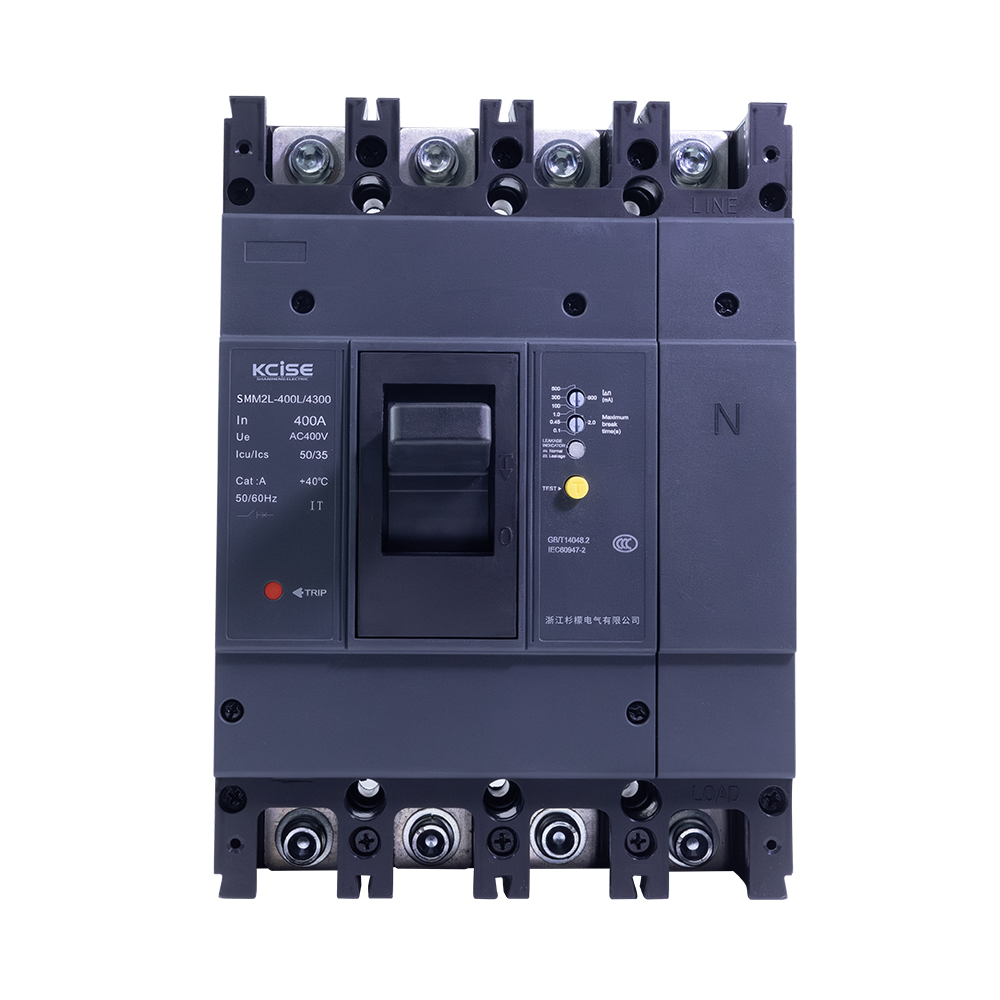
Compared to standard AC circuit breakers, DC MCBs offer several advantages in DC environments:
Better arc control: Specialized designs reduce the risk of sustained arcing, which can cause damage or fires.
Enhanced safety: They provide precise protection tailored to DC circuits, minimizing false trips or failures.
Longevity: Built to handle the unique stresses of DC current, they last longer under frequent operation.
Compliance: Meet safety standards specific to DC systems, ensuring reliable performance.
For example, in solar installations, using a DC MCB ensures that any faults in the DC wiring are quickly isolated, protecting the system and reducing fire hazards. When designing DC-powered systems, always select DC miniature circuit breakers rated for your system's voltage and current to ensure effective protection and compliance with safety standards.
Smart miniature circuit breakers are the next step in electrical safety and energy management. They combine traditional circuit protection with modern technology, making them ideal for smart homes and businesses.
Smart breakers connect to your home's Wi-Fi or smart hub, allowing you to monitor and control circuits remotely using a smartphone or tablet. This integration brings several advantages:
Real-time Alerts: Receive notifications if a breaker trips or detects unusual current flow, helping you act quickly.
Remote Control: Turn circuits on or off from anywhere, useful for managing power to appliances or lights without being home.
Energy Monitoring: Track how much electricity each circuit uses, enabling smarter energy consumption and cost savings.
Automation: Link breakers to other smart devices, like motion sensors or timers, to automate power management.
These features offer convenience and improve electrical safety by giving you greater oversight and control.
Smart miniature circuit breakers offer more than just remote access. Their advanced features improve safety, efficiency, and maintenance:
Faster Fault Detection: Electronic sensors detect overloads, short circuits, ground faults, and arc faults more quickly than traditional breakers.
Detailed Diagnostics: They provide data on fault types and locations, helping electricians troubleshoot problems faster.
Preventive Maintenance: Continuous monitoring can alert you to potential issues before they cause outages or damage.
Energy Efficiency: By monitoring usage patterns, smart breakers help reduce waste and lower utility bills.
User-Friendly: Reset breakers remotely or schedule resets, reducing the need for physical visits to the breaker panel.
Smart breakers are especially useful in commercial buildings, large homes, or places where managing multiple circuits efficiently is critical.
AC miniature circuit breakers (AC MCBs) are designed specifically for alternating current (AC) electrical systems, which are common in most homes and businesses. Understanding how these breakers function and how they compare to their DC counterparts is key to selecting the right protection for your electrical setup.
AC current changes direction periodically, usually 50 or 60 times per second (Hz), depending on your region. This alternating nature helps extinguish the electric arc that forms when the circuit breaker opens, making it easier to interrupt the current flow safely.
Key features of AC miniature circuit breakers include:
Automatic trip on overload or short circuit: They detect when current exceeds a safe limit and open the circuit.
Thermal and magnetic trip mechanisms: The thermal part handles prolonged overloads by bending a bimetallic strip, while the magnetic part reacts instantly to short circuits by using an electromagnet.
Arc extinguishing system: When the breaker trips, an arc forms between the contacts. AC breakers use arc chutes and magnetic fields to quickly cool and extinguish this arc, preventing damage and ensuring safety.
Resettable design: After tripping, they can be reset manually once the fault is fixed.
These breakers are widely used in residential and commercial electrical panels to protect wiring and devices from damage caused by excessive current.
While AC MCBs work well in AC circuits, they differ from DC MCBs in several important ways:
| Feature | AC Miniature Circuit Breaker | DC Miniature Circuit Breaker |
|---|---|---|
| Current Type | Alternating current (AC) | Direct current (DC) |
| Arc Extinguishing | Easier due to zero-crossing points | More complex; arc persists longer |
| Breaking Capacity | Designed for AC fault currents | Must handle continuous DC arcs |
| Trip Mechanism | Thermal-magnetic or electronic | Often enhanced arc suppression |
| Applications | Homes, offices, commercial buildings | Solar systems, EVs, battery storage |
The main challenge in DC circuit breaking is the absence of current zero-crossing, which naturally helps extinguish arcs in AC systems. DC MCBs require special arc quenching technologies, like magnetic blowouts or longer arc chutes, to safely interrupt current.
In contrast, AC MCBs benefit from the natural current drop to zero during each cycle, making arc extinction simpler and allowing more compact breaker designs.
Circuit breakers are essential for electrical safety, preventing overloads and short circuits. They protect homes from electrical hazards by quickly interrupting dangerous current flows. Future trends in circuit breaker technology include advanced electronic and smart breakers, offering enhanced safety and remote management. KCISE offers innovative circuit breaker solutions that ensure optimal protection and efficiency. Their products provide significant value, combining traditional safety features with modern technological advancements to meet the evolving needs of electrical systems.
A: A circuit breaker protects your home by detecting excess current from overloads or short circuits and quickly cutting off electricity to prevent damage or fires.
A: DC Miniature Circuit Breakers handle direct current, requiring specialized arc extinguishing mechanisms, while AC Miniature Circuit Breakers manage alternating current, benefiting from natural arc extinction at zero-crossing points.
A: Smart Miniature Circuit Breakers offer remote control, real-time alerts, and energy monitoring, enhancing safety and efficiency in smart home systems.
