- All
- Product Name
- Product Keyword
- Product Model
- Product Summary
- Product Description
- Multi Field Search
Please Choose Your Language

Views: 0 Author: Site Editor Publish Time: 2025-10-07 Origin: Site


Imagine a world without circuit breakers—chaos in electrical systems, fires, and damaged devices. Circuit breakers are essential safety devices that protect electrical systems from overloads and short circuits. In this post, you'll learn about DC Miniature Circuit Breakers, Smart Miniature Circuit Breakers, and AC Miniature Circuit Breakers, exploring their functions and roles in safeguarding electrical networks.
A circuit breaker acts like a safety switch for electrical circuits. It automatically stops the flow of electricity when it detects a problem, such as an overload or a short circuit. This interruption prevents damage to electrical devices and reduces fire risks. Unlike fuses, which must be replaced after they blow, circuit breakers can be reset and used again after they trip.
When the current flowing through a circuit exceeds a safe level, the circuit breaker "trips," breaking the circuit and stopping the electrical flow. This tripping protects wiring and connected devices from overheating or damage.
Every circuit breaker contains several key parts working together to detect faults and interrupt current flow:
Tripping or Protective Mechanism (Trip Unit): This component senses abnormal conditions like overloads or short circuits and triggers the breaker to open.
Operating Mechanism: It physically opens or closes the breaker contacts to either allow or stop current flow.
Molded Frame: The outer casing that holds all components safely and provides insulation.
Arc Chutes: These are located near the contacts and help control and extinguish the electrical arc formed when the breaker opens, protecting internal parts from heat damage.
Contacts: There are different types, including main, auxiliary, and arcing contacts. They conduct electricity when closed and separate to stop current when the breaker trips.
Circuit breakers use two main types of tripping mechanisms to protect circuits:
Thermal Tripping: This uses a bimetallic strip that bends when heated by excess current. If the current stays too high for too long, the strip bends enough to trigger the breaker to open. This protects against overloads.
Magnetic Tripping: For sudden, high-current faults like short circuits, an electromagnet inside the breaker activates instantly. The strong magnetic force moves a lever that opens the contacts, quickly stopping current flow.
Many breakers combine both methods for reliable protection against different fault types. Once tripped, the breaker can be manually reset after the issue is fixed.
Tip: Regularly test circuit breakers in your facility's electrical panels to ensure their tripping mechanisms function properly and maintain system safety.
Circuit breakers come in various types, each designed for specific applications and environments. Understanding these types helps you choose the right breaker for your electrical system.
MCCBs are versatile breakers used in residential, commercial, and industrial settings. They handle currents from 15 to 1200 amperes and can protect circuits with single, double, or triple poles. MCCBs are enclosed in a molded plastic case that provides insulation and durability. These breakers are tested to meet strict standards like UL 489 and NEMA AB, ensuring reliable performance.
MCCBs are ideal for protecting wiring and equipment from overloads and short circuits. They can be reset after tripping, making them convenient for repeated use. You often find MCCBs in lighted panelboards and various electrical distribution systems.
Insulated Case Circuit Breakers are designed for higher current applications, typically ranging from 800 to 4000 amperes. They have a rugged design and are electrically operated, meaning they can be controlled remotely or integrated into automated systems.
These breakers are common in commercial buildings like offices, schools, and shopping malls. While they offer some maintenance options, their contacts are usually not replaceable. Their robust construction makes them suitable for environments requiring reliable protection and minimal downtime.
Air Power Circuit Breakers are heavy-duty breakers used in industrial environments where high reliability is critical. They are often part of switchgear systems in hospitals, data centers, and factories. These breakers can handle large currents, from 250 to 6000 amperes, and withstand electrical stress for up to 30 cycles.
One key feature is their serviceability; contacts and other components can be replaced in the field, reducing maintenance costs and downtime. They come in 3 or 4 pole versions and include advanced electronic controls like Bluetooth connectivity for monitoring and diagnostics.
MCBs are compact breakers designed for low energy requirements, such as home wiring, offices, or small electronic circuits. They typically protect circuits with lower current ratings. MCBs use two tripping mechanisms: a delayed thermal trip for overloads and an instant magnetic trip for short circuits.
These breakers are easy to install and reset, making them popular in residential and light commercial applications. They provide reliable protection for everyday electrical devices and small circuits. When selecting a circuit breaker, match its type and current rating to your specific application needs to ensure optimal protection and system reliability.
DC Miniature Circuit Breakers (DC MCBs) protect low-voltage direct current circuits from overloads and short circuits. They automatically interrupt current flow when it exceeds safe limits, preventing damage to wiring and connected devices. Unlike AC circuit breakers, DC breakers must handle continuous current without zero-crossing points, making their design more challenging.
DC MCBs often use thermal-magnetic trip units. The thermal part reacts to prolonged overloads by bending a bimetallic strip, while the magnetic part instantly trips during short circuits via an electromagnet. This dual mechanism ensures reliable protection for DC circuits.
Applications include solar photovoltaic (PV) systems, electric vehicles, battery storage, and telecommunications equipment. These systems rely on DC power, requiring breakers that can safely interrupt direct current.
Advantages:
Reliable Protection: DC MCBs effectively detect and interrupt faults in DC circuits.
Resettable: Unlike fuses, they can be reset after tripping, reducing maintenance.
Compact Size: Their small form factor suits residential and commercial installations.
Fast Response: Magnetic tripping provides quick reaction to short circuits.
Disadvantages:
Higher Cost: DC breakers are generally more expensive than AC counterparts due to complex arc extinguishing requirements.
Limited Availability: Fewer models exist compared to AC breakers.
Arc Suppression Challenges: DC arcs do not extinguish as easily as AC arcs, requiring specialized designs.
Voltage Limits: Typically designed for low-voltage applications, limiting use in high-voltage DC systems.
Solar Power Systems: Protect solar panels and inverters from overloads and faults.
Electric Vehicles: Safeguard battery packs and DC wiring.
Battery Storage: Ensure safe operation of energy storage units.
Telecom Equipment: Protect sensitive DC-powered devices and circuits.
Industrial Automation: Secure DC control circuits and machinery.
Smart miniature circuit breakers (MCBs) bring modern technology to traditional electrical protection. They combine the fundamental safety functions of standard MCBs with digital features that enhance monitoring and control. These breakers typically include built-in sensors to measure current, voltage, and temperature in real-time. They communicate data to connected devices via protocols like Wi-Fi, Zigbee, or Bluetooth.
Key features include:
Remote Monitoring: Users can check breaker status and electrical parameters from smartphones or computers.
Automated Alerts: Notifications for overloads, short circuits, or unusual electrical activity.
Data Logging: Historical records help analyze power usage and identify patterns.
Remote Control: Ability to reset or switch breakers on/off remotely.
Integration with Energy Management Systems: Supports efficient energy use and fault diagnostics.
Smart MCBs often come with compact designs suitable for residential and commercial panels. They maintain the same tripping mechanisms—thermal and magnetic—but add electronic trip units for precise fault detection.
Smart MCBs offer several advantages compared to conventional breakers:
Improved Safety: Early detection of faults and real-time alerts reduce risks of damage or fire.
Convenience: Remote access eliminates the need for physical panel inspection.
Energy Efficiency: Monitoring helps identify energy wastage and optimize consumption.
Predictive Maintenance: Data-driven insights allow timely servicing before failures occur.
Enhanced Control: Remote switching capabilities support flexible power management.
These benefits make smart breakers ideal for modern buildings aiming to improve electrical safety and energy management.
Smart miniature circuit breakers seamlessly integrate with smart home ecosystems. They connect to platforms like Google Home, Amazon Alexa, or Apple HomeKit, enabling centralized control alongside lighting, HVAC, and security systems.
Integration allows:
Voice Commands: Users can check breaker status or reset circuits using voice assistants.
Automation: Breakers can work with other devices to shut off power during emergencies or based on schedules.
Energy Monitoring: Combined with smart meters, they provide comprehensive home energy insights.
Remote Diagnostics: Electricians can troubleshoot issues remotely, reducing service visits.
This connectivity enhances user experience and supports smarter, safer homes. When upgrading to smart miniature circuit breakers, ensure compatibility with your existing electrical panel and smart home platform for seamless integration and optimal performance.
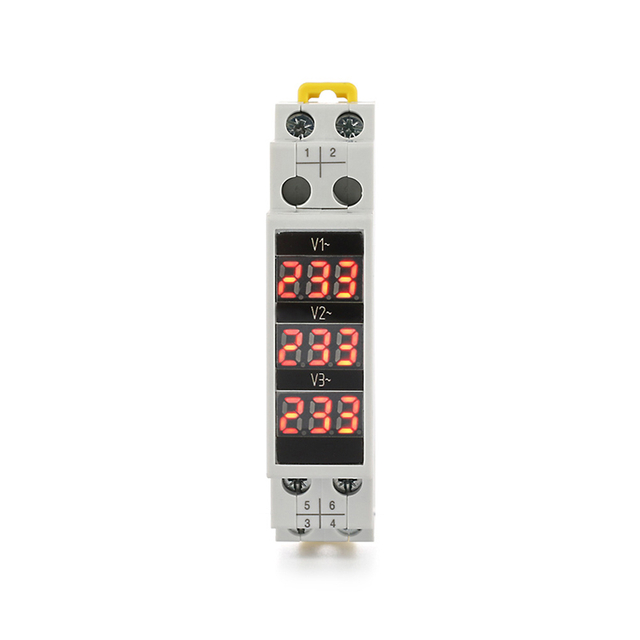
AC Miniature Circuit Breakers (AC MCBs) are compact devices designed to protect alternating current circuits from overloads and short circuits. Their design focuses on interrupting current flow quickly and safely to prevent damage to wiring and appliances.
Key design features include:
Thermal-Magnetic Trip Unit: Combines a bimetallic strip for overload protection and an electromagnet for short circuit detection.
Compact Size: Fits easily into residential and commercial electrical panels.
Single or Multiple Poles: Usually available in single-pole or double-pole configurations for different circuit requirements.
Arc Extinguishing Mechanism: Uses arc chutes to safely quench the electrical arc formed when contacts open.
The thermal part reacts slowly to sustained overloads by bending the bimetallic strip, which trips the breaker. The magnetic part reacts instantly to short circuits by activating the electromagnet. This dual mechanism ensures reliable protection against common electrical faults in AC circuits.
AC MCBs are widely used in homes for several reasons:
Protect Household Circuits: They safeguard lighting, outlets, and appliances.
Easy Reset: After tripping, they can be reset without replacement.
Prevent Fire Hazards: By stopping excessive current, they reduce risks of overheating and electrical fires.
Simple Installation: Designed for quick mounting on DIN rails inside consumer units.
Typical residential circuits protected by AC MCBs include kitchen outlets, lighting circuits, HVAC units, and small appliance circuits. Their reliability and ease of use make them the standard choice for residential electrical safety.
While both AC and DC MCBs serve similar protective functions, they differ due to the nature of the current they handle:
| Feature | AC Miniature Circuit Breakers | DC Miniature Circuit Breakers |
|---|---|---|
| Current Type | Alternating Current (AC) | Direct Current (DC) |
| Arc Extinguishing | Easier due to current zero-crossing cycles | More complex; arcs persist without zero-crossing |
| Design Complexity | Simpler design, widely available | Requires specialized design and materials |
| Typical Applications | Residential wiring, commercial lighting | Solar systems, battery storage, electric vehicles |
| Cost | Generally lower cost | Higher cost due to complexity |
AC circuits naturally pass through zero current 100-120 times per second (for 50-60 Hz), helping extinguish arcs quickly. DC circuits lack this zero crossing, making arc suppression more challenging. Hence, DC breakers require more advanced designs to safely interrupt current.
Installing circuit breakers correctly is crucial for safety and performance. Always use breakers rated for your system's voltage and current. Improper sizing can lead to nuisance tripping or failure to protect. Use qualified electricians to install or replace breakers to ensure compliance with local electrical codes and standards.
Regular maintenance keeps breakers reliable. Inspect panels for signs of wear, corrosion, or overheating. Clean dust and debris from breaker compartments to avoid poor contacts or heat buildup. Periodically test breakers by manually tripping them to verify their operation. Replace any breaker that shows physical damage or fails testing.
Knowing how to spot breaker faults helps prevent bigger problems. If a breaker trips frequently, it may indicate an overloaded circuit, a short circuit, or a ground fault. Check connected devices and wiring for damage or improper connections.
Use a multimeter or circuit tester to measure voltage and current. Look for signs like burning smells, discoloration, or buzzing sounds near the breaker panel. These could signal loose connections or internal breaker failure. If unsure, consult a professional electrician to diagnose and fix issues safely.
Prevent overloads by distributing electrical loads evenly across circuits. Avoid plugging too many devices into one outlet or circuit. Use dedicated circuits for high-power equipment like HVAC units or kitchen appliances.
Upgrade your electrical system if your power needs exceed breaker ratings. Consider installing breakers with appropriate trip curves for sensitive electronics. Use surge protectors to guard against voltage spikes that can stress breakers and devices. Schedule annual inspections of your electrical panels and circuit breakers to catch wear or faults early and maintain safe, reliable operation.
Circuit breakers are essential for electrical safety, preventing overloads and short circuits. They include components like tripping mechanisms and arc chutes. Future trends in circuit breaker technology focus on smart features, enhancing monitoring and control. KCISE offers innovative circuit breaker solutions, ensuring reliable protection and energy efficiency. Their products provide value by integrating modern technology with traditional safety functions, supporting both residential and commercial applications. Prioritizing electrical safety is crucial for preventing hazards and maintaining system reliability.
A: A circuit breaker is a safety device that stops electrical flow in a circuit when it detects issues like overloads or short circuits, preventing damage and fire risks.
A: DC Miniature Circuit Breakers protect low-voltage direct current circuits by interrupting current flow during overloads or short circuits using thermal-magnetic trip units.
A: Smart Miniature Circuit Breakers offer enhanced safety with real-time monitoring, remote control, and data logging, making them ideal for modern energy management.
A: AC Miniature Circuit Breakers protect household circuits from overloads and short circuits, are easy to reset, and reduce fire hazards, ensuring electrical safety.
