- All
- Product Name
- Product Keyword
- Product Model
- Product Summary
- Product Description
- Multi Field Search
Please Choose Your Language

Views: 0 Author: Site Editor Publish Time: 2025-10-21 Origin: Site


Ever wondered why wire size matters for circuit breakers? Using the wrong wire can lead to overheating and potential hazards. Understanding the correct wire size is crucial, especially for 50 amp circuit breakers used in various applications. In this post, you'll learn about wire size recommendations for 50 amp circuit breakers, including DC, Smart, and AC Miniature Circuit Breakers. We'll explore key factors influencing wire choice and offer practical guidance for safe installations.
For a 50 amp circuit breaker, 6 AWG copper wire is the standard choice. Copper offers excellent conductivity and durability, making it ideal for most residential and commercial applications. This wire size comfortably handles the 50 amp load while maintaining safety margins required by electrical codes. Using 6 AWG copper wire ensures the circuit operates efficiently without overheating or causing voltage drops in typical setups.
Aluminum wire is a lighter and more cost-effective alternative to copper. However, aluminum has lower conductivity, so a larger gauge is necessary to carry the same current safely. For a 50 amp circuit breaker, 4 AWG aluminum wire is recommended. This size compensates for aluminum’s reduced conductivity and meets the National Electrical Code (NEC) requirements. It’s crucial to use the correct size to avoid overheating and potential fire hazards.
When the wire run exceeds 100 feet, voltage drop becomes a significant concern. Voltage drop occurs when electrical current loses power as it travels along the wire, potentially causing appliances to underperform or damage over time. To mitigate this, upsizing the wire gauge is necessary:
For copper wire runs longer than 100 feet, consider using 4 AWG or even 3 AWG wire.
For aluminum wire, increase from 4 AWG to 2 AWG or larger.
Upsizing the wire reduces resistance and voltage drop, ensuring the circuit breaker and connected devices receive proper voltage. It's essential to calculate voltage drop based on the exact distance and load to select the right wire size. Consulting electrical codes and professionals can provide precise guidance for specific installations.
Ampacity is the maximum current a wire can safely carry without overheating. Choosing the right wire size depends heavily on ampacity. If the wire carries more current than its ampacity, it can overheat, melt insulation, and cause fires. For a 50 amp circuit breaker, the wire must have an ampacity rating of at least 50 amps. However, electrical codes often require the wire to handle 125% of the continuous load to add a safety margin. This means the wire size must be selected not just for the breaker rating but also for the expected load and safety factors.
The NEC provides strict guidelines for wire sizing to ensure safety and efficiency. According to NEC, a wire’s ampacity must never be less than the circuit breaker’s rating. For example, 6 AWG copper wire or 4 AWG aluminum wire meet the NEC requirements for a 50 amp breaker. The NEC also recommends derating wires when bundled or in high-temperature environments. Additionally, the NEC requires accounting for voltage drop when wire runs are long, often over 100 feet, to maintain proper voltage at the load.
Voltage drop occurs when electricity loses pressure as it travels through a wire. This can cause appliances to underperform or get damaged over time. Voltage drop depends on wire length, size, material, and current load. For long wire runs, increasing wire gauge reduces voltage drop. For example, a 50 amp circuit running over 100 feet may require upsizing copper wire from 6 AWG to 4 AWG or 3 AWG. Similarly, aluminum wire might need to increase from 4 AWG to 2 AWG. Calculating voltage drop ensures devices receive stable voltage and prolongs their lifespan.
Tip: Always check the ampacity rating and NEC guidelines before selecting wire size to ensure safety and compliance for your 50 amp circuit breaker installation.
A 50 amp circuit breaker is common in many homes for powering high-demand appliances. These breakers handle devices requiring a substantial amount of current safely. Typical residential uses include:
Electric dryers: These often need a dedicated 50 amp circuit due to their high power consumption.
Electric ovens and ranges: Cooking appliances, especially larger models, require robust circuits.
Central air conditioning units: Larger homes or multi-zone systems may use 50 amp breakers.
Hot tubs and spas: These need dedicated circuits to manage their electrical load safely.
Electric vehicle (EV) charging stations: Many home EV chargers operate on 50 amp circuits.
RV power outlets: For recreational vehicle hookups, a 50 amp circuit provides sufficient power.
Home workshops: Tools such as welders or large compressors may require this capacity.
Backup generators: Some home generators connect through 50 amp breakers for whole-house power.
These applications benefit from the safety margin and capacity a 50 amp breaker and appropriate wire size provide.
In commercial settings, 50 amp circuits support equipment and systems with higher electrical demands. Common uses include:
Commercial kitchens: Ovens, ranges, and other cooking equipment in restaurants require these circuits.
HVAC units: Larger heating and cooling systems in offices or retail spaces often need 50 amp breakers.
Laundry services: Commercial washers and dryers use circuits of this size.
Machinery: Light industrial or manufacturing equipment may run on 50 amp circuits.
Park and recreation facilities: Lighting, pumps, and other equipment often require this capacity.
Street lighting: Some commercial street or parking lot lighting systems use 50 amp circuits.
Sports complexes and irrigation systems: Equipment for these facilities may demand 50 amps.
These applications rely on consistent power and safety ensured by proper breaker and wire sizing.
Industrial environments often have heavy-duty electrical needs. A 50 amp circuit breaker is suitable for:
Pump stations: Water or chemical pumps needing steady, high current.
Welders: Industrial welding equipment often requires dedicated 50 amp circuits.
Standalone high-power machinery: Equipment not connected to larger power distribution systems.
Conveyor systems and production lines: Motors and controls in manufacturing lines.
Generators: Backup or primary power sources for industrial equipment.
In these settings, using the correct wire size with the 50 amp breaker is critical for safety and operational efficiency.
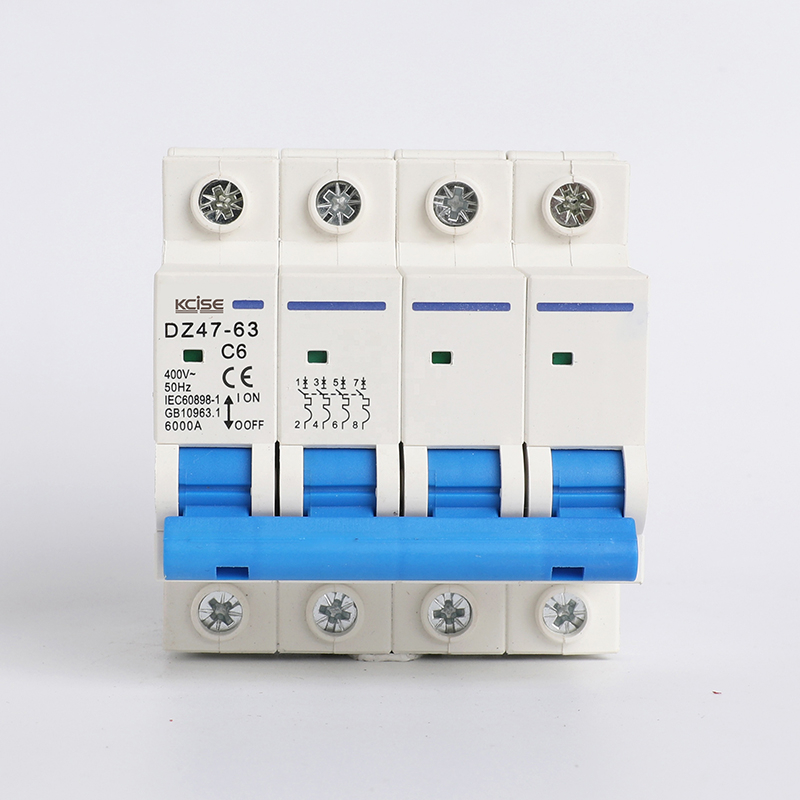
When installing a 50 amp circuit breaker, choosing the right type of cable is just as important as selecting the correct wire gauge. The cable type affects durability, safety, installation ease, and compliance with electrical codes. Here are the common cable types suitable for 50 amp circuits:
THHN (Thermoplastic High Heat-resistant Nylon-coated) and THWN (Thermoplastic Heat and Water-resistant Nylon-coated) cables are among the most popular choices for 50 amp circuits. These cables come in copper or aluminum and are typically installed inside conduit for protection. They offer excellent heat resistance and durability, making them ideal for both residential and commercial applications.
Advantages: High heat tolerance, moisture resistance, flexibility for conduit runs.
Common uses: Indoor wiring in conduit, commercial buildings, industrial settings.
NM-B cable, often called Romex®, is a common choice for residential wiring. It consists of insulated conductors wrapped in a plastic sheath. For 50 amp circuits, 6 AWG copper NM-B cable is typically used.
Advantages: Easy to install, cost-effective, suitable for dry indoor locations.
Limitations: Not rated for wet or outdoor environments, must be protected from physical damage.
Common uses: Residential branch circuits for appliances like dryers and ovens.
UF-B (Underground Feeder) cable is designed for outdoor and underground use. It has solid insulation around each conductor and a tough outer jacket, making it water-resistant and durable against environmental exposure.
Advantages: Suitable for direct burial, moisture and sunlight resistant.
Common uses: Outdoor circuits such as hot tubs, outdoor lighting, or detached garages.
MC (Metal-Clad) cable features insulated conductors enclosed in a flexible metal sheath. It provides excellent mechanical protection and is approved for use in commercial and industrial installations.
Advantages: Strong physical protection, suitable for exposed runs, often easier to install than conduit.
Common uses: Commercial buildings, industrial environments, exposed wiring areas.
Using the wrong wire gauge for a 50 amp circuit breaker is a serious safety hazard. If the wire is too thin, it can't handle the current safely. This causes the wire to overheat, melt its insulation, and can start a fire. For example, using 8 AWG copper wire instead of 6 AWG for a 50 amp breaker risks overheating because 8 AWG wire has a lower ampacity than required. Overheating may also damage connected appliances and the breaker itself. On the other hand, using a wire that is too large is not dangerous but can be bulky, harder to work with, and more expensive. Always match or exceed the minimum wire gauge recommended for your breaker size.
Electrical work is complex and can be dangerous. Consulting a licensed electrician ensures your wiring meets safety codes and local regulations. Professionals can accurately calculate load demands, voltage drop, and select the correct wire size and type. They also ensure proper installation practices, such as securing cables, grounding, and using the right connectors. DIY wiring mistakes can lead to costly repairs, code violations, or worse—electrical fires. When in doubt, always seek professional advice before installing or modifying a 50 amp circuit.
Reading cable labels correctly is crucial for choosing the right wire. Labels usually indicate the wire gauge (AWG), number of conductors, and whether a ground wire is included. For example, a cable labeled "6-3 w/G" means it has three 6 AWG conductors plus a ground wire. Different cable types, such as NM-B, UF-B, or THHN, also have specific markings indicating their suitability for indoor, outdoor, or conduit use. Understanding these labels helps avoid using cables in inappropriate environments, which can lead to premature failure or safety issues.
When selecting wire sizes for circuit breakers, it’s essential to match the wire gauge to the breaker’s amperage rating. Using the correct wire size ensures safety, prevents overheating, and maintains efficient electrical flow. Below is a breakdown of recommended wire sizes for common circuit breaker ratings, focusing on copper wire since it’s widely used.
For a 10 amp circuit breaker, 16 AWG copper wire is generally sufficient. This gauge handles the current safely for low-power devices such as:
Small lighting circuits
Smoke detectors
Low-power appliances
In some cases, 14 AWG wire may be used depending on local codes and installation specifics, but 16 AWG is the standard minimum for 10 amps.
A 20 amp breaker typically requires 12 AWG copper wire. This size supports moderate loads such as:
Kitchen outlets
Bathroom circuits
Small appliances like microwaves or power tools
Using 12 AWG wire helps avoid overheating and voltage drop issues for circuits drawing up to 20 amps.
For a 30 amp circuit breaker, 10 AWG copper wire is recommended. This wire size suits higher power demands such as:
Electric water heaters
Central air conditioning units
Larger power tools or machinery
It's important to ensure the wire insulation and cable type match the installation environment, especially for 30 amp circuits that may serve heavy-duty appliances.
Choosing the correct wire size for a 50 amp circuit breaker is crucial for safety and efficiency. Use 6 AWG copper or 4 AWG aluminum wire, considering distance and voltage drop. Always consult professionals for precise guidance and adhere to the National Electrical Code. For reliable electrical solutions, consider KCISE, offering products that ensure safety and efficiency. Their expertise provides value in selecting the right wire sizes, ensuring compliance and optimal performance for your circuit needs.
A: For a 50 amp circuit breaker, 6 AWG copper wire or 4 AWG aluminum wire is recommended to ensure safety and compliance with NEC guidelines.
A: 6 AWG copper wire is used for a 50 amp circuit breaker due to its excellent conductivity and ability to handle the load safely without overheating.
A: The correct wire size ensures that a circuit breaker operates safely by preventing overheating and maintaining efficient electrical flow.
A: Yes, a DC Miniature Circuit Breaker can be used with a 50 amp circuit if it matches the circuit's voltage and current requirements.
A: A Smart Miniature Circuit Breaker offers benefits like remote monitoring, enhanced safety features, and energy management capabilities for a 50 amp circuit.
